Writing a dissertation is quite a challenging stage in every researcher’s life, requiring deep knowledge, methodological precision, and a responsible approach. In this process, the role of a scientific supervisor is crucial, as they not only guide the research but also help to avoid common mistakes. The choice of mentor can determine whether your dissertation becomes a solid and valuable contribution to science or remains unnoticed in the academic community. In this article, we will explore how to choose a reliable scientific supervisor and what to pay attention to during the search.
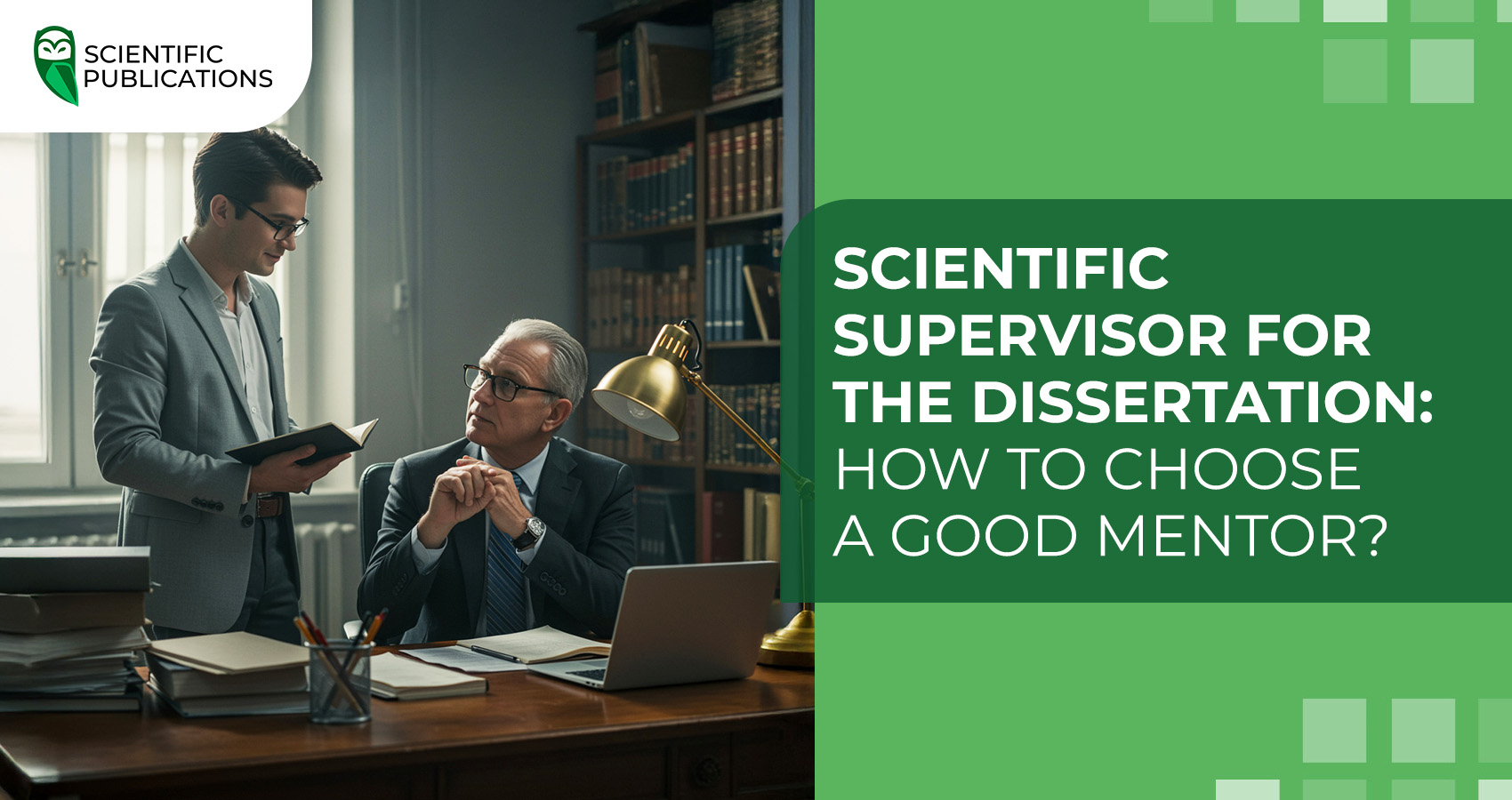
Why do you need a supervisor when writing a dissertation?
Scientific supervisor – is a highly qualified specialist, usually a professor or Doctor of Sciences, who accompanies a PhD student from the initial idea to the dissertation defense. Their role goes beyond simple consultation: they help to formulate the research problem, select the methodology, analyse data, and prepare publications.
The main responsibilities of a supervisor include:
- assisting in clarifying the research topic and hypothesis
- developing the structure of the dissertation, experiment plan, or analysis
- providing recommendations on sources, citation standards, and ethical aspects of research
- offering regular feedback and helping to correct mistakes
- writing an official review of the dissertation, which is required for the defence
Key criteria for choosing a scientific supervisor
To find a reliable mentor, you should approach the search responsibly and carefully. It is important to analyse several key aspects that directly affect the quality of collaboration.
1. Expertise and specialization
Your dissertation topic must match the supervisor’s specialization. The quality of your research directly depends on this. If the mentor is not competent in your field, you won’t receive qualified guidance and may face difficulties with writing, defending the dissertation, and meeting academic standards.
How can you evaluate a potential supervisor’s specialization? First, review their publications in scientific journals, paying attention to topics and citation levels. You should also consider the projects they have been involved in to understand their practical experience.
2. Mentorship experience
A significant advantage is prior experience in supervising PhD students, as it shows the ability to effectively guide, provide constructive feedback, and help overcome difficulties during the writing and defense process. An experienced supervisor also helps to structure the research, define key stages, and ensure compliance with academic standards.
Moreover, such a supervisor can motivate the student, foresee potential challenges, and suggest effective strategies to resolve them, making the dissertation process much easier.
3. Availability and consultation schedule
Writing a dissertation requires regular meetings. It is crucial to find out in advance whether your supervisor will be able to provide consistent consultations and feedback.
Agree on a schedule early to avoid delays caused by their workload.
4. Communication style and support
Collaboration should be both comfortable and productive. A good supervisor is a partner who not only motivates but also provides constructive criticism, helping to improve your work.
Test this by having an initial discussion: does the supervisor listen carefully, explain complex issues clearly, and support your creativity with new ideas? A balance is essential: the supervisor should be demanding enough to uphold high standards, but also supportive, creating an atmosphere of trust.
5. Reputation in the academic community
Reputation is one of the best indicators of what it is like to work with a supervisor. Talk to former students and ask about the strengths and weaknesses of their experience. You may also consult colleagues, other PhD students, or look for reviews on academic platforms and forums.
The success of your defence depends directly on the choice of supervisor. A reliable mentor will not only guide you through the dissertation process but also teach you independence in research. Carefully evaluate each candidate based on the above criteria.
If you need assistance with publishing articles in Scopus and Web of Science to support your dissertation defence, contact Scientific Publications. We will provide you with a free consultation, help you choose a reliable journal, and support you at every stage. Still have questions? Leave your contact details in the form below, and our manager will contact you shortly. Together towards new scientific achievements!